01
Temperament
Intelligent, lively, affectionate, alert, and eager to learn. Toy Poodles often form strong bonds with their owners and enjoy regular interaction.
 Click to enlarge
1 / 3
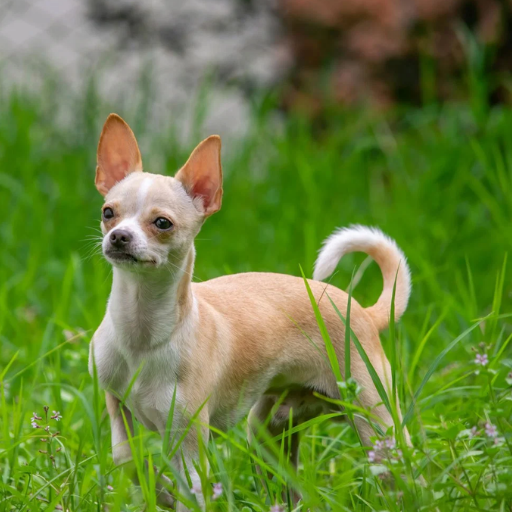
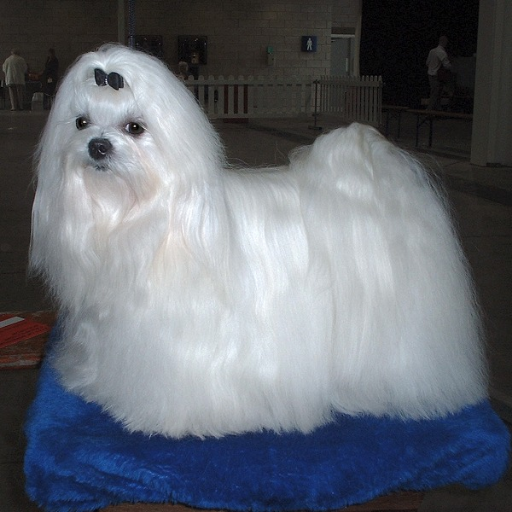
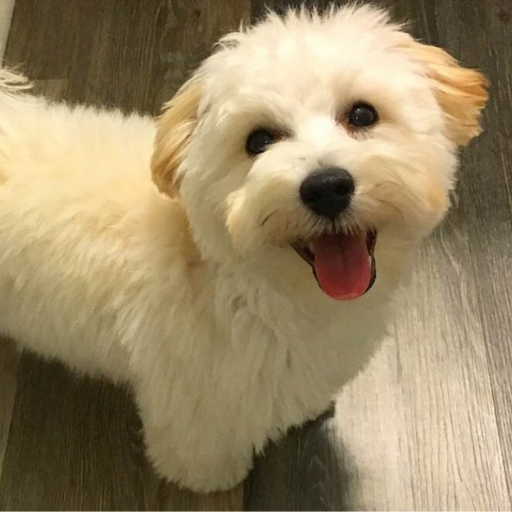
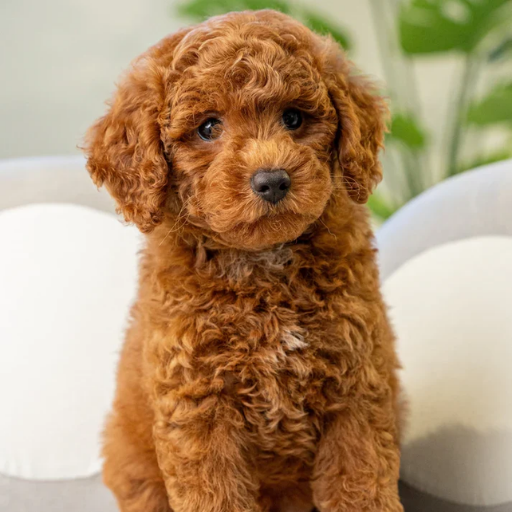
The Toy Poodle is a small, elegant dog with a curly or corded coat, expressive eyes, and a lively personality. Despite its small size, it is active and highly intelligent.
AT A GLANCE
Is the TOYPOODLE right for your home? Every companion is an individual. Breed information can help you understand what everyday life with this companion may look like.
Consider your home, daily routine, family environment, grooming expectations, exercise needs and the time you can consistently dedicate to your pet before making a decision.
A breed profile is a starting point — not a substitute for understanding the individual companion and their specific needs.
ASK ABOUT THIS BREED
Not sure about exercise, grooming, apartment living, children or everyday care? Ask a quick question and get a simple breed-focused answer.
AI breed assistantAI answers are general guidance only. For health, medical or individual pet-care concerns, consult a qualified veterinarian.
BREED PROFILE
Explore temperament and everyday care considerations to get a clearer picture of whether this breed fits naturally into your lifestyle.
Intelligent, lively, affectionate, alert, and eager to learn. Toy Poodles often form strong bonds with their owners and enjoy regular interaction.
They need daily activity, mental stimulation, balanced nutrition, grooming, and routine veterinary care. Their small size also makes regular dental care important.
ORIGIN STORY
Poodles were originally developed as water-retrieving dogs before becoming popular companion and performance dogs. Smaller Poodles were selectively bred for companionship while retaining the breed’s intelligence and trainability.
BEFORE YOU DECIDE
Think about space, family members, time for companionship and the day-to-day rhythm you can realistically maintain.
Food, hygiene, enrichment, grooming and veterinary guidance are ongoing parts of responsible pet care.
Talk with our team about temperament, individual needs and whether this breed is a good match for your household.
FAQ
Still deciding? Browse common questions about the TOYPOODLE. If something is not covered, you can also ask our AI assistant above or speak with our team directly.
Yes, their small size can make them comfortable in apartments. They still need daily walks, play, training, and interaction to stay happy and well-adjusted.
Toy Poodles generally shed very little compared with many other breeds. However, loose hair can become trapped in the curly coat, so regular brushing is still necessary.
They are highly intelligent and often learn commands quickly. Short, positive training sessions can keep them interested and encourage good behavior.
Their coat needs regular brushing to reduce tangling and matting. Many owners also arrange professional grooming regularly to maintain the desired coat length and shape.
They generally enjoy close interaction with their owners and may become bored or stressed with excessive isolation. Providing companionship, enrichment, and a consistent routine is important.
WHY DOGGIEWALE
We help families understand breed information and connect with our team for a thoughtful conversation before they decide.
Talk through home size, routine, grooming expectations and the kind of companion you are looking for.
Each profile is designed to make essential care, temperament and history information easy to review.
Use WhatsApp or a call to ask questions directly and get guidance for your next step.