01
Temperament
Loyal, independent, calm, protective, and strong-willed. They are usually devoted to their families but can be reserved and watchful around unfamiliar people.
 Click to enlarge
1 / 3
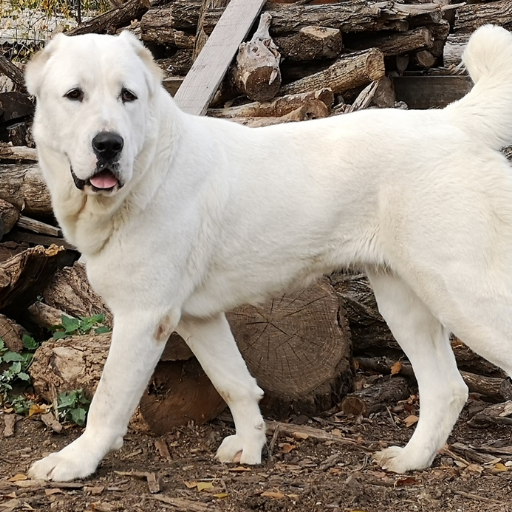
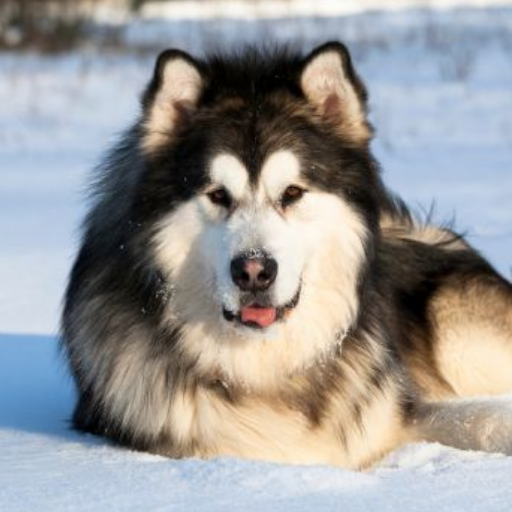
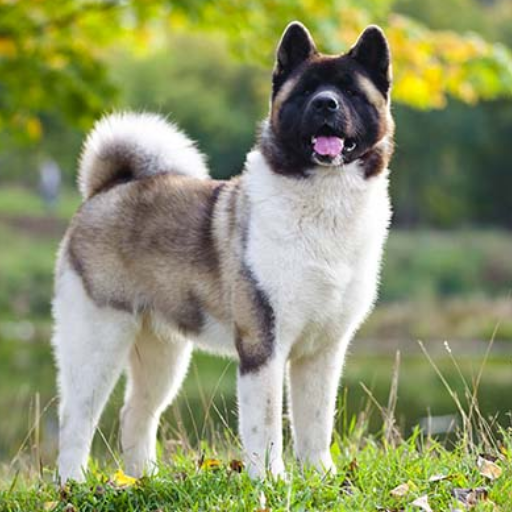
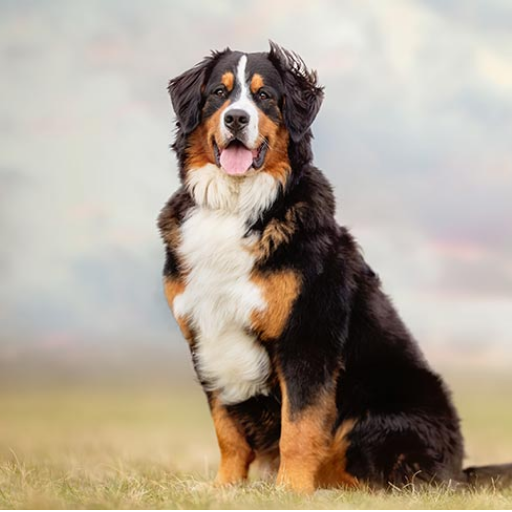
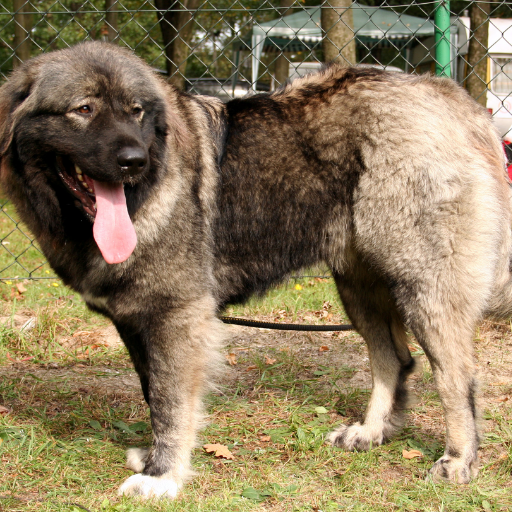
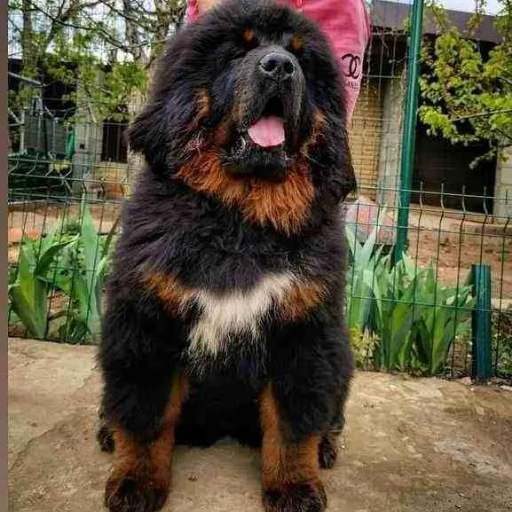
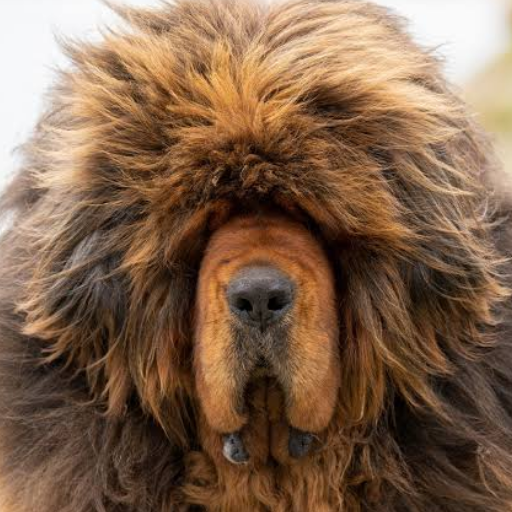
The Tibetan Mastiff is a large, powerful dog with a broad head, strong body, and impressive double coat. Its thick mane around the neck gives it a distinctive appearance, especially in mature dogs. It is naturally independent and protective rather than constantly seeking attention. The breed is best suited to experienced owners who can provide secure surroundings, consistent training, socialization, and enough space.
AT A GLANCE
Is the Tibetian Mastiff right for your home? Every companion is an individual. Breed information can help you understand what everyday life with this companion may look like.
Consider your home, daily routine, family environment, grooming expectations, exercise needs and the time you can consistently dedicate to your pet before making a decision.
A breed profile is a starting point — not a substitute for understanding the individual companion and their specific needs.
ASK ABOUT THIS BREED
Not sure about exercise, grooming, apartment living, children or everyday care? Ask a quick question and get a simple breed-focused answer.
AI breed assistantAI answers are general guidance only. For health, medical or individual pet-care concerns, consult a qualified veterinarian.
BREED PROFILE
Explore temperament and everyday care considerations to get a clearer picture of whether this breed fits naturally into your lifestyle.
Loyal, independent, calm, protective, and strong-willed. They are usually devoted to their families but can be reserved and watchful around unfamiliar people.
Needs balanced nutrition, regular exercise, socialization, grooming, and routine veterinary care. Its heavy double coat requires regular brushing, particularly during seasonal shedding.
ORIGIN STORY
Tibetan Mastiffs were developed to protect livestock, homes, and people from predators and intruders. Their thick coat, strong body, independence, and alert nature helped them work in cold mountain environments.
BEFORE YOU DECIDE
Think about space, family members, time for companionship and the day-to-day rhythm you can realistically maintain.
Food, hygiene, enrichment, grooming and veterinary guidance are ongoing parts of responsible pet care.
Talk with our team about temperament, individual needs and whether this breed is a good match for your household.
FAQ
Still deciding? Browse common questions about the Tibetian Mastiff. If something is not covered, you can also ask our AI assistant above or speak with our team directly.
A well-socialized Tibetan Mastiff can be loyal and affectionate with its family. Its protective nature and large size mean that interactions with children and visitors should be supervised and managed responsibly.
They are intelligent but naturally independent, so training may require patience and consistency. Positive methods and clear boundaries are generally more suitable than harsh handling.
Yes, its thick double coat needs regular brushing to remove loose hair and prevent tangles. Shedding can increase significantly during seasonal coat changes.
The breed has a heavy coat adapted to colder environments, so hot weather requires careful management. Access to shade, fresh water, ventilation, and appropriate activity times is important.
Individual temperament and early socialization make a difference. Because of its independent and territorial nature, introductions should be gradual and carefully supervised.
WHY DOGGIEWALE
We help families understand breed information and connect with our team for a thoughtful conversation before they decide.
Talk through home size, routine, grooming expectations and the kind of companion you are looking for.
Each profile is designed to make essential care, temperament and history information easy to review.
Use WhatsApp or a call to ask questions directly and get guidance for your next step.